.png)

Leasing Commercial Properties the Right Way: Proven Leasing Strategies for Success

Leasing commercial properties can feel like navigating a maze. There are so many moving parts - from finding the right space to negotiating terms that protect your interests. Over the years, I’ve learned that doing it right means combining solid leasing strategies with a personal touch. Whether you’re a buyer, seller, or investor, understanding the leasing process inside and out is key to making smart decisions and avoiding costly mistakes.
Let me walk you through some practical tips and insights that have helped me and many others lease commercial properties the right way. Ready? Let’s dive in!
Understanding Leasing Strategies: The Foundation of Smart Deals
When I first started dealing with commercial leases, I quickly realized that not all leases are created equal. The right leasing strategies can make a huge difference in your bottom line and long-term success.
Here are some core strategies I always recommend:
Know your market: Research local trends in Connecticut, New York, and Florida. What types of properties are in demand? What are typical lease rates? This knowledge gives you leverage.
Define your needs clearly: Are you looking for retail, office, or industrial space? How much square footage do you need? What about parking or accessibility? Being specific helps narrow down options.
Negotiate lease terms carefully: Don’t just focus on rent. Look at lease length, renewal options, maintenance responsibilities, and escalation clauses. These details can save or cost you thousands.
Consider tenant improvements: Sometimes landlords will offer allowances to customize the space. Factor this into your negotiations.
Get professional help: A skilled broker or attorney can spot red flags and negotiate better terms.
These strategies aren’t just theory. I’ve seen firsthand how they protect investments and create win-win situations for landlords and tenants alike.
How to Evaluate a Commercial Property for Lease
Finding a commercial property for lease that fits your needs is more than just location and price. You have to dig deeper.
Here’s my checklist for evaluating a property:
Location and Accessibility
Eye-level view of a bustling commercial street with multiple storefronts
Location is king. Is the property easy to reach by car, public transit, or foot traffic? What about nearby amenities? A great location attracts customers and tenants.
Building Condition and Layout
Close-up view of a modern office building’s exterior facade
Inspect the building’s structure, HVAC, electrical systems, and safety features. Does the layout suit your business operations? Will you need costly renovations?
Zoning and Compliance
High angle view of a city zoning map highlighting commercial zones
Check local zoning laws to ensure your intended use is allowed. Also, verify compliance with ADA and environmental regulations.
Lease Terms and Flexibility
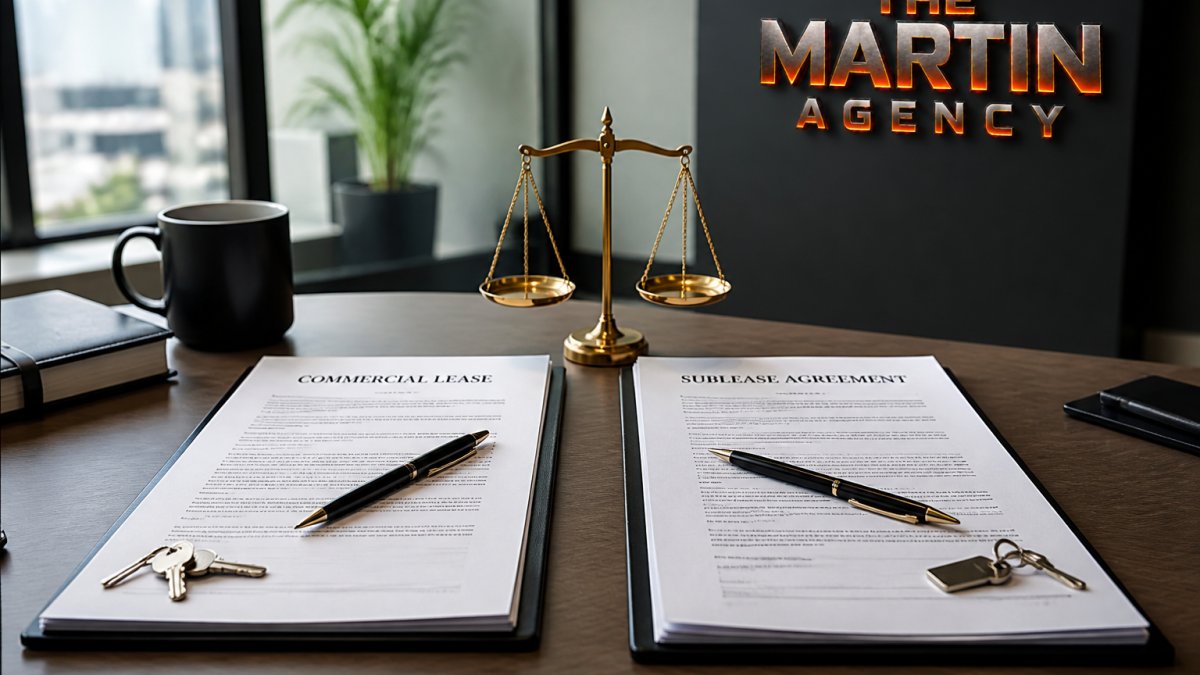
Eye-level view of a lease agreement document on a desk
Review the lease carefully. Are there options to renew or expand? What about subleasing? Flexibility can be a lifesaver as your business grows or changes.
Costs Beyond Rent
Close-up view of utility meters and maintenance equipment
Understand all costs including utilities, property taxes, insurance, and common area maintenance fees. These can add up quickly.
Taking the time to evaluate these factors thoroughly will help you avoid surprises and make an informed decision.

Negotiating Lease Terms Like a Pro
Negotiation is where many people stumble. I’ve been there - feeling overwhelmed by legal jargon and unsure what to ask for. But with a few tips, you can negotiate like a pro.
Start with a clear list of priorities: What matters most? Rent, lease length, tenant improvements, or something else?
Ask for concessions: Don’t be shy about requesting rent-free periods, improvement allowances, or caps on operating expenses.
Understand escalation clauses: These dictate how rent increases over time. Try to negotiate caps or fixed increases.
Clarify maintenance responsibilities: Who handles repairs and upkeep? This can impact your costs and headaches.
Get everything in writing: Verbal promises don’t hold up. Make sure all agreements are documented in the lease.
Remember, negotiation is a conversation, not a battle. Approach it with a collaborative mindset and you’ll often find landlords willing to work with you.
The Importance of Professional Guidance
I can’t stress enough how valuable it is to have experts on your side. Commercial real estate transactions are complex, and a small oversight can lead to big problems.
Here’s who you should consider involving:
Commercial real estate brokers: They have market knowledge and can find properties that fit your criteria.
Real estate attorneys: They review lease agreements and protect your legal interests.
Property managers: If you’re leasing as an investor, a good property manager ensures smooth operations and tenant satisfaction.
Financial advisors: They help analyze the financial implications and ensure the lease fits your investment goals.
Working with professionals doesn’t just reduce risk - it can also save you time and money in the long run.

Staying Ahead: Tips for Long-Term Leasing Success
Leasing commercial properties isn’t a one-time event. It’s an ongoing relationship and investment. Here are some tips I’ve learned to keep things running smoothly:
Regularly review your lease terms: Stay aware of renewal dates and any upcoming rent increases.
Maintain good communication with your landlord or tenants: Address issues promptly to avoid conflicts.
Keep your property in good condition: This protects your investment and attracts quality tenants.
Stay informed about market changes: This helps you negotiate better terms when leases come up for renewal.
Plan for growth or changes: Build flexibility into your lease to accommodate business shifts.
Leasing commercial properties the right way is about being proactive, informed, and strategic. It’s a journey, but with the right approach, it can be a rewarding one.
Leasing commercial properties is a big step, but it doesn’t have to be daunting. By applying these leasing strategies and leaning on expert support, you can find the perfect space and set yourself up for success. Here’s to smart leasing and thriving businesses!

Comments